

Technology has emerged as one of the best contributors to efficiency, scalability, customer experience, and business continuity. From enterprise apps to cloud-based infrastructure, cybersecurity to digital workflows, the quality of technology in an organization has a direct impact on its day-to-day operations.
That's the reason why making the right choice of an IT solutions company that businesses can depend on is a crucial decision that needs to be made by organizations that are planning long-term operational stability and digital advancement.
When selecting IT partners, many businesses only consider the technical needs they have in the present. But long-term value is gained from collaborating with a company that can support infrastructure scalability, system reliability, security, and future operational needs.
By knowing what to consider when choosing an IT partner, businesses can ensure they don't encounter unnecessary hurdles in their operations or create a weaker digital foundation.
Why Businesses Need Reliable IT Solutions
Modern organizations depend on technology across almost every department. Sales operations, internal communication, customer management, analytics, security, and workflow automation all rely on stable digital infrastructure.
When systems are poorly optimized, businesses often experience slower performance, inefficient workflows, inconsistent reporting, and higher operational costs.
A professional IT solutions company that organizations work with should help improve:
- Infrastructure performance
- System reliability
- Operational efficiency
- Cloud management
- Cybersecurity readiness
- Scalability planning
Strong IT infrastructure allows businesses to operate more efficiently while supporting future operational growth.
Key Factors to Consider Before Choosing an IT Partner
Not every IT service provider offers the same level of technical expertise or long-term support capability. Businesses should evaluate several important areas before making a decision.
Technical Expertise
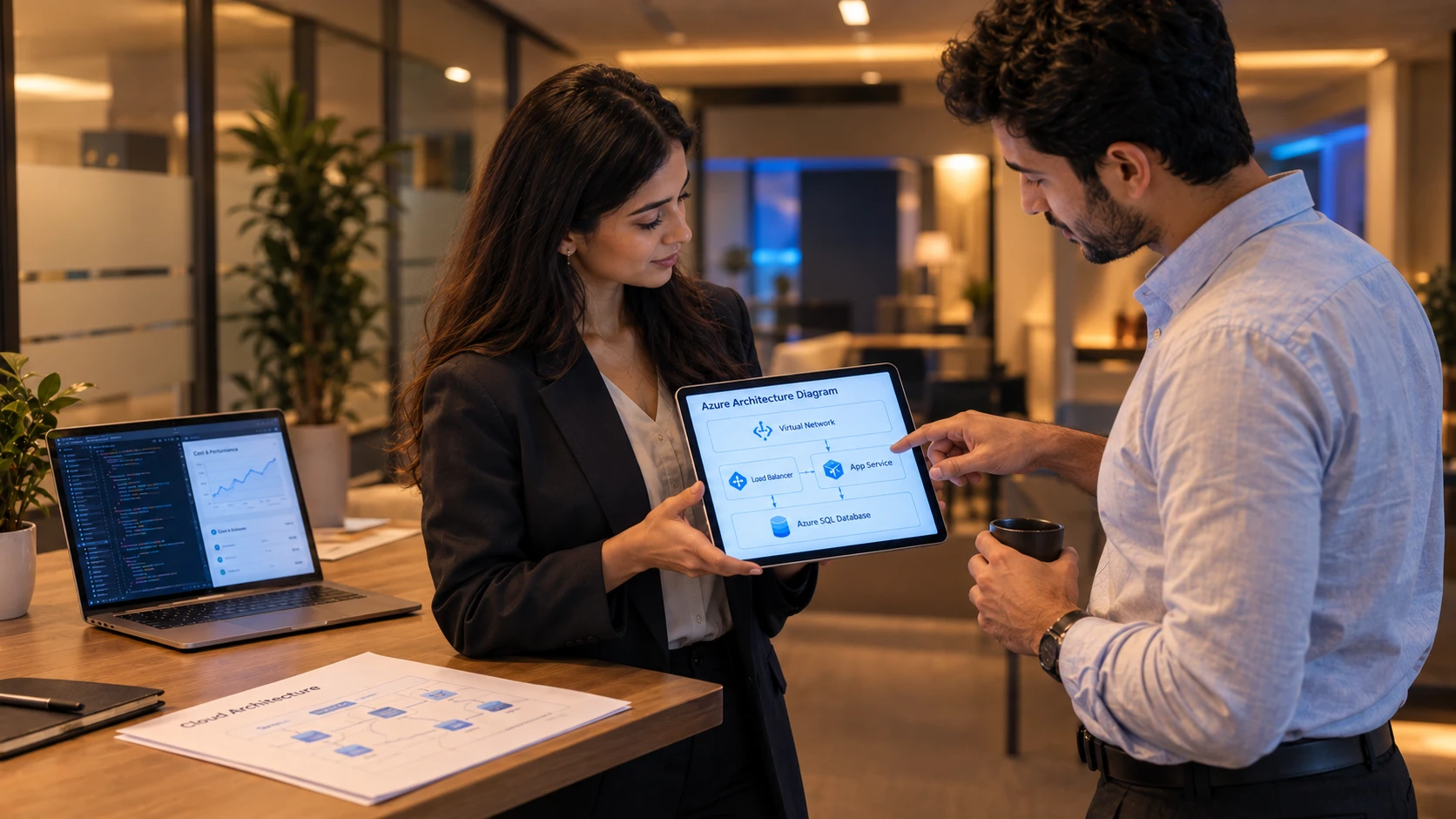
A reliable provider should have experience across multiple technologies, platforms, and infrastructure environments. This includes cloud systems, cybersecurity frameworks, enterprise applications, networking, and automation technologies.
Businesses should assess whether the provider can support both current operational needs and future scalability requirements.
Scalability Planning
As organizations grow, their infrastructure requirements become more complex. Systems should be capable of handling increased workloads, user activity, and integration demands without affecting performance.
An experienced IT solutions provider, businesses should design infrastructure with long-term scalability in mind instead of focusing only on immediate deployment.
Cybersecurity Capabilities
Cybersecurity is now a critical requirement for businesses of every size. Weak security environments can expose organizations to operational disruption, data loss, and reputational risks.
A reliable IT partner should provide:
- Threat monitoring
- Data protection strategies
- Secure cloud environments
- Access management systems
- Backup and disaster recovery solutions
Security should be integrated into the infrastructure architecture from the beginning rather than added later.
The Importance of IT Support Services
Technology environments require continuous monitoring and maintenance to ensure consistent performance.
Professional IT support services that businesses depend on typically include infrastructure management, troubleshooting, software maintenance, cloud monitoring, performance optimization, and security updates.
Strong IT support helps organizations reduce downtime, improve system reliability, and maintain uninterrupted business operations.
Modern IT support has also evolved beyond reactive maintenance. Businesses now require proactive monitoring systems capable of identifying potential issues before they affect operations.
How IT Consulting Improves Business Operations
Technology decisions can significantly influence operational efficiency and long-term infrastructure costs. Businesses often require guidance when planning cloud migration, infrastructure modernization, workflow automation, or enterprise software implementation.
An experienced IT consulting company, organizations partner with to help evaluate current systems, identify inefficiencies, and recommend infrastructure strategies aligned with operational goals.
IT consulting services can support businesses in areas such as:
- Infrastructure modernization
- Cloud adoption planning
- Enterprise application integration
- Digital workflow optimization
- Infrastructure security improvements
- Technology cost optimization
Strategic consulting helps businesses make informed technology decisions while reducing operational risks.
Why Scalable Infrastructure Matters
Businesses frequently experience performance issues when systems are not designed to handle increasing operational requirements.
As organizations expand, infrastructure must support:
- Higher transaction volumes
- Increased user activity
- Multi-platform integrations
- Larger data processing requirements
- Remote accessibility needs
Modern infrastructure planning focuses on creating environments capable of adapting without requiring repeated system rebuilding.
Cloud-native architecture, automated deployment systems, API integrations, and intelligent monitoring frameworks are now commonly used to improve scalability and operational flexibility.
The Best IT company should be capable of implementing infrastructure solutions that remain stable and efficient even as operational demands evolve.
The Role of Cloud and Automation in Modern IT Infrastructure
Cloud computing and automation technologies have transformed how businesses manage operations.
Cloud environments provide flexibility, scalability, and remote accessibility while reducing dependency on traditional infrastructure systems.
Automation technologies help organizations improve operational efficiency by reducing repetitive manual tasks and improving workflow accuracy.
Businesses are increasingly adopting:
- Cloud infrastructure management
- Automated monitoring systems
- Workflow automation platforms
- AI-assisted analytics tools
- Centralized operational dashboards
These technologies help organizations improve productivity, reduce operational delays, and maintain better system visibility.
How Forchunex Supports Business Technology Requirements
Forchunex focuses on building scalable and performance-oriented technology ecosystems designed to support modern business operations.
The company provides solutions across infrastructure modernization, cloud optimization, enterprise applications, automation systems, and operational technology management.
By focusing on long-term infrastructure reliability and operational efficiency, Forchunex helps businesses strengthen digital environments while preparing systems for future scalability requirements.
Rather than approaching projects as isolated deployments, the focus remains on building integrated ecosystems capable of supporting operational continuity and sustainable performance.
Conclusion
Technology infrastructure now plays a central role in operational efficiency, business continuity, and long-term scalability.
Choosing the right IT solutions company should depend on a careful evaluation of technical expertise, infrastructure planning, cybersecurity capabilities, support services, and scalability strategies.
Organizations that invest in reliable and future-ready technology ecosystems are better positioned to improve operational performance, maintain system stability, and adapt efficiently to changing business requirements.
Forchunex helps businesses create secure, scalable, and performance-focused digital environments designed to support long-term operational success.
Frequently Asked Questions
-
1.
Will your IT solutions actually grow with my business, or will I need to replace everything in two years?
Our focus is on future-proof architecture. We design systems using modular cloud components and scalable frameworks that expand as your user base and data needs grow. This "build-to-scale" approach ensures that your initial technology investment remains relevant and functional for years to come, avoiding the need for costly "rip-and-replace" projects. -
2. How do you minimize downtime when transitioning to new systems or the cloud?
We understand that every minute of downtime costs money. Our team uses a phased migration strategy and redundant backup systems to ensure your core operations remain active during upgrades. We perform the heavy lifting behind the scenes and schedule critical cutovers during off-peak hours to ensure a seamless transition for your staff and customers. -
3. I already have some IT staff; can you work alongside them, or do you replace them?
We offer Co-Managed IT services designed to empower, not replace, your existing team. We can take over the "heavy lifting" like 24/7 infrastructure monitoring and cybersecurity, allowing your internal staff to focus on high-level business projects. Think of us as an extension of your team that brings specialized tools and global expertise to the table. -
4.How quickly can I expect a response if our systems go down unexpectedly?
We prioritize proactive monitoring, which means we often detect and fix issues before you even realize there’s a problem. However, if a critical failure occurs, our support team follows strict SLA (Service Level Agreement) response times. We provide dedicated communication channels to ensure you aren't stuck waiting in a generic ticketing queue when your business is on the line. -
5. Can you help us reduce our overall operational costs through technology?
Absolutely. We specialize in cost optimization by identifying redundant software licenses, consolidating underutilized servers, and implementing automation. By automating repetitive manual workflows, we help you redirect your human capital toward more profitable tasks, significantly lowering your long-term operational overhead. - 6. How do you ensure my data stays secure while we adopt new digital tools?
Security is the foundation of every solution we build. We implement End-to-End Encryption, Multi-Factor Authentication (MFA), and automated threat detection. Before deploying any new tool, we conduct a thorough risk assessment to ensure it aligns with your security policy and global data protection standards, keeping your intellectual property safe from day one.